
A cruise extension gives you time to explore New Zealand away from the ship and scheduled port stops. You can add days before or after your voyage to visit inland regions, experience Māori culture, try adventure activities or explore cities at your own pace. Extensions range from a couple of nights in Auckland or Wellington to longer itineraries covering multiple regions.
Most cruise lines offer pre-arranged extension packages, or you can plan your own. Independent planning gives you more flexibility and lets you choose accommodation, transport and activities that suit your interests and budget.
Main Cruise Ports
Auckland is the main hub for cruise ships to New Zealand. Auckland is known as the City of Sails and lies between two natural harbours on the North Island. The cruise terminal is in the city centre, within walking distance of the waterfront, shops and attractions.
Stops on cruises around North Island may include the beautiful Bay of Islands, cosmopolitan Auckland and Wellington, the capital city. Those who enjoy art and wine will enjoy Napier, the world-famous art deco city in the Hawke’s Bay wine region.
Cruise destinations around the South Island can include the stunning Marlborough Sounds, the charming French-style settlement of Akaroa and the revitalised city of Christchurch. The historic Scottish-influenced Dunedin, and the ruggedly beautiful Fiordland in the south west are not to be missed.
Ships dock at Lyttelton for Christchurch. The port is about 12 kilometres from the city centre. Wellington cruise passengers usually take a shuttle bus from the port to the central city.
Planning Your Extension
Decide how long you want to extend and where you want to go. A short extension of two or three nights works well for exploring one city or region. Longer extensions let you combine multiple destinations or reach places further from the ports.
New Zealand’s cruise season runs from October to April. The 2026/27 season is expected to generate around 642 port calls nationwide. Approximately 223,530 international passengers and 96,911 crew members are expected during the period. Summer (December to February) is the warmest and busiest time. Shoulder months offer milder weather and fewer crowds.
Book accommodation early, especially during peak season. Check transport connections between your cruise port and extension destinations. Some inland attractions require a full day or overnight stay to visit properly.
Auckland Extensions
Auckland works well for a short extension before or after your cruise. The city has galleries, museums, restaurants and shopping within the central area. You can walk along the waterfront or take a ferry to nearby islands.
Waiheke Island is a 40-minute ferry ride from downtown Auckland. The island has vineyards, beaches, walking tracks and art galleries. You can visit for the day or stay overnight.
The Auckland War Memorial Museum in the Domain has extensive Māori and Pacific collections and natural history displays. Te Papa Tongarewa in Wellington is the national museum, with exhibitions on New Zealand’s history, culture and environment.
North of Auckland, the drive to the Northland region and Bay of Islands takes around three hours. This makes a good two or three-night extension.
Bay of Islands and Waitangi
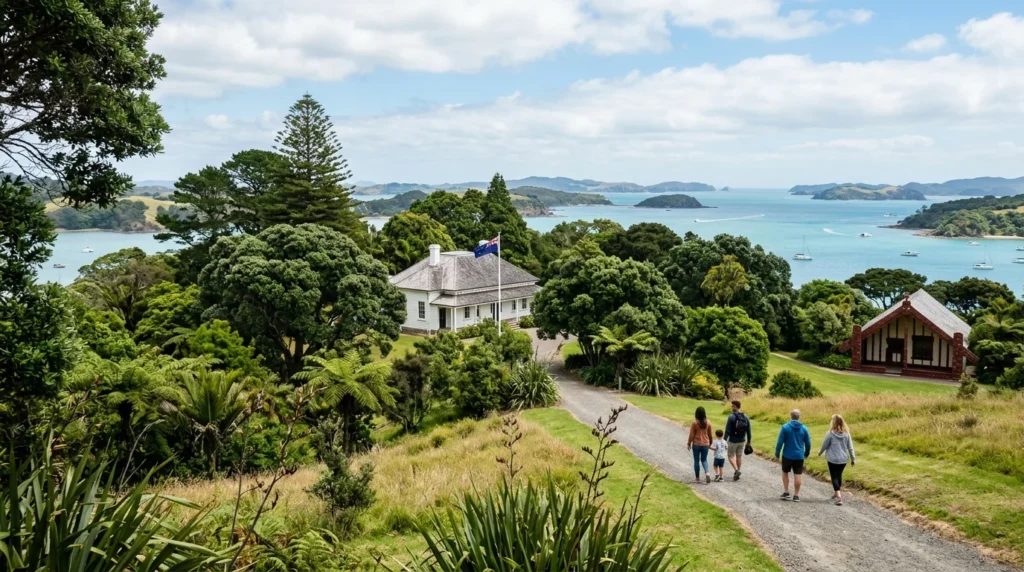
Waitangi Treaty Grounds is located in Paihia of the Bay of Islands, Northland, New Zealand. The Waitangi Treaty Grounds, on the shores of the Bay of Islands, is where the Treaty of Waitangi was signed on 6 February 1840 — the founding document of modern New Zealand, agreed between Māori chiefs and representatives of the British Crown.
The grounds include the Treaty House, the Museum of Waitangi, Te Whare Rūnanga (carved meeting house) and a large waka (ceremonial canoe). Guided tours and cultural performances are available. Allow half a day or longer to visit properly.
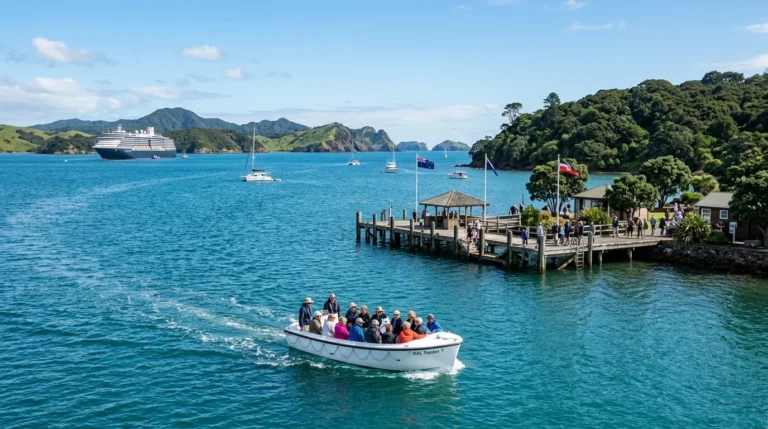
The Bay of Islands has sailing, kayaking, dolphin watching and fishing. You can take day cruises or visit historic sites around the region. Some cruise ships call at the Bay of Islands, anchoring offshore and tendering passengers to Waitangi.
Rotorua and Geothermal Areas
Rotorua is about three hours by road from Auckland or two and a half hours from Tauranga cruise port. The area is known for geothermal activity, with geysers, hot springs and mud pools at sites like Te Puia and Wai-O-Tapu.
Rotorua has several Māori cultural centres offering performances, traditional hangi meals and workshops. The city also has mountain biking, hiking and lake activities. You need at least one night to visit Rotorua from a cruise port.
The Bay of Plenty and Waikato regions offer other geothermal and cultural experiences within reach of Auckland and Tauranga.
South Island Extensions
If your cruise visits Lyttelton, you can extend in Christchurch or use the city as a base for South Island travel. The TranzAlpine is the easiest and most comfortable way to appreciate the grandeur of the Southern Alps. The train travels between Christchurch and Greymouth over Arthur’s Pass.
Queenstown is a long drive or short flight from Christchurch. The town on Lake Wakatipu offers adventure activities including bungy jumping, jet boating, skiing in winter and hiking. Nearby Wānaka and the wineries of Central Otago are also worth visiting.
The Canterbury, Otago and Southland regions each offer different landscapes and experiences. Aoraki/Mount Cook National Park is between Christchurch and Queenstown.
Fiordland, including Milford Sound and Doubtful Sound, is often included in cruise itineraries as a scenic cruising day. For land-based visits, Fiordland is most easily reached from Queenstown or Te Anau.
Transport and Getting Around
Renting a car gives you flexibility to explore at your own pace. Major rental companies operate at airports and in cities. Book ahead during busy periods. New Zealanders drive on the left. Roads in rural and mountain areas can be narrow and winding.
InterCity and other bus companies connect main centres. Buses are a budget-friendly option but take longer than driving. Book in advance for popular routes.
Domestic flights connect Auckland, Wellington, Christchurch, Queenstown and other centres. Flying saves time on long distances. Check baggage allowances, especially if you have cruise luggage.
Shuttle services operate between cruise ports and nearby towns. Some cruise lines offer transfers as part of extension packages. Taxis and ride-share services are available in cities.
For more information on getting around, see Transport and car hire.
Booking and Practical Information
Many cruise lines offer pre-arranged extension packages including accommodation, transport and some activities. These packages provide convenience and are organised to connect smoothly with your cruise schedule.
Booking independently gives you more control over where you stay, what you do and how long you spend in each place. You can choose from a wider range of Places to stay and Activities and adventure options.
If booking independently, confirm your cruise arrival and departure times before making other arrangements. Allow buffer time in case of delays. Keep your cruise documentation and emergency contact details accessible.
Check visa requirements before you travel. Many visitors can enter New Zealand visa-free for short stays, but requirements vary by nationality. Visit Immigration New Zealand’s website for current information.
Travel insurance should cover medical expenses, trip cancellations and lost belongings. If you plan to do adventure activities, check that your policy covers them.
FAQ
How long should I allow for a cruise extension in New Zealand?
Two or three nights is enough to explore one city or nearby region. Five to seven nights lets you visit multiple destinations or reach places further from the ports. Consider travel time between locations when planning your itinerary.
Can I visit Rotorua or Queenstown from a cruise port?
Rotorua is accessible as a day trip from Tauranga port, but an overnight stay gives you more time to experience the geothermal sites and Māori culture. Queenstown is not close to any cruise port. You would need to fly from Christchurch or Auckland and allow at least two nights.
What is the best time of year for a cruise extension?
The cruise season runs from October to April. December to February is warmest but busiest. November and March offer good weather with fewer tourists. Winter (June to August) brings snow to mountain areas, which is ideal for skiing in Queenstown but less suitable for coastal and outdoor activities elsewhere.
Sources

Independent New Zealand travel guides from 0 Digital, Aotearoa New Zealand. Details change, so check with the operator or the official source before you go. Spotted something out of date? Tell us.
 Beaches and islands
 Beaches and islands
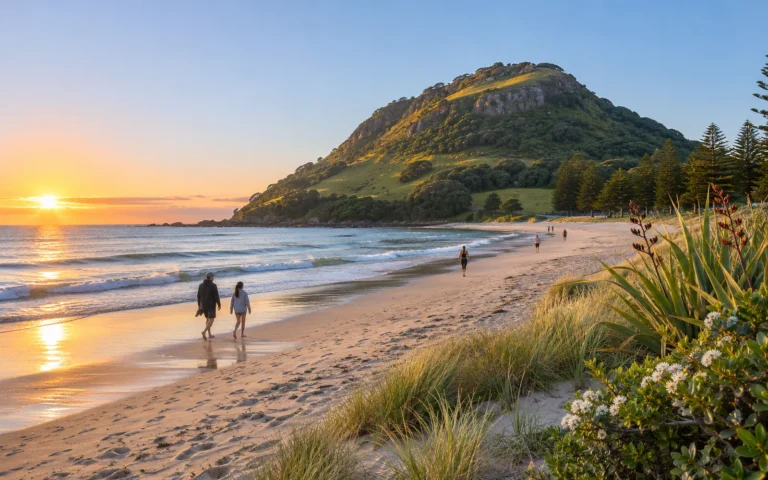 Beaches and islands
