
New Zealand’s islands range from subtropical clusters in the north to remote wilderness in the south. Each offers distinct experiences, from cultural sites and geothermal parks to pristine national parks and rare wildlife. This guide covers the main island attractions across both the North and South Islands, plus smaller offshore destinations worth the journey.
Bay of Islands
The Bay of Islands comprises 144 subtropical islands on the east coast of Northland. The main towns are Paihia, Russell and Kerikeri.
The Treaty of Waitangi was signed on 6 February 1840 at Waitangi in the Bay of Islands. Admission to Waitangi Treaty Grounds includes a guided tour, a Māori cultural performance, entry to two museums, historic buildings and the world’s largest ceremonial waka.
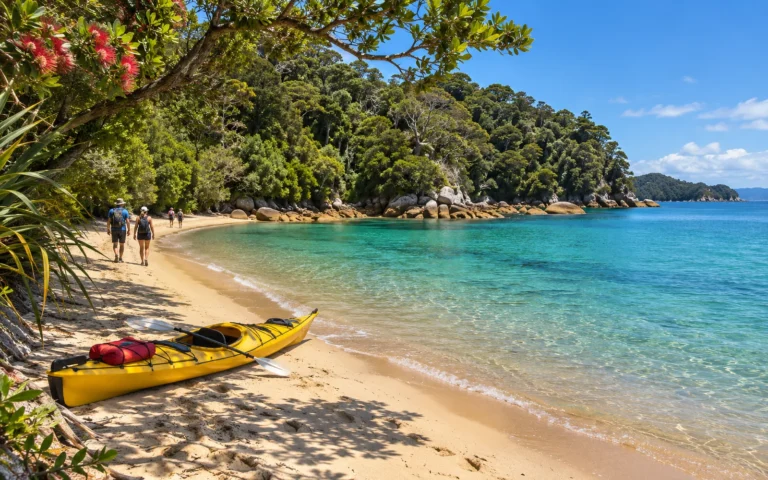
Water activities include sailing, kayaking, snorkelling and dolphin watching. Island-hopping by ferry or cruise boat lets you explore beaches and walking tracks on islands like Urupukapuka and Motuarohia.
Auckland and Waiheke Island
Auckland sits on a narrow isthmus between two harbours. The Sky Tower stands 328 metres above Auckland. From 186 metres above street level, you get 360-degree views stretching up to 80 kilometres in every direction.
Waiheke Island is a 40-minute ferry ride from downtown Auckland. The island has vineyards, olive groves, beaches and walking trails. You can visit wineries, art galleries and coastal reserves.
Rotorua
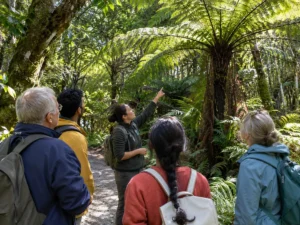
Rotorua in the Bay of Plenty region is known for geothermal activity and Māori culture. Geothermal parks like Wai-O-Tapu and Te Puia feature bubbling mud pools, geysers and coloured mineral formations.
You can attend Māori cultural performances and traditional hāngi feasts. The lakes around Rotorua offer kayaking, fishing and walking tracks through native forest.
Queenstown and Southern Lakes
Queenstown in Otago sits beside Lake Wakatipu, surrounded by mountains. The town is a base for skiing, bungy jumping, jet boating and hiking. Lake cruises and scenic flights operate year-round.
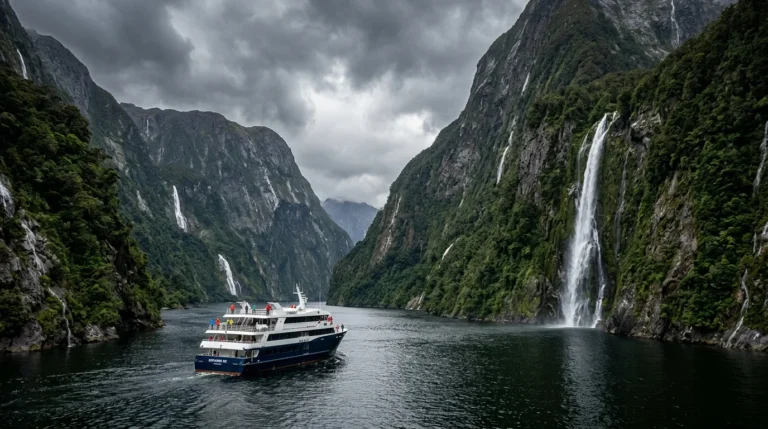
Milford Sound in Fiordland National Park features steep cliffs, waterfalls and rainforest. Cruise operators run trips through the fiord, with options ranging from short visits to overnight stays. The Milford Track is a multi-day hiking trail through the national park.
Christchurch and Akaroa
Canterbury’s largest city, Christchurch, has botanical gardens, the Avon River and access to Banks Peninsula. The city centre was rebuilt after earthquakes in 2010 and 2011.
Akaroa, 80 kilometres from Christchurch, is a French-influenced harbour town on Banks Peninsula. Operators offer dolphin-watching cruises in Akaroa Harbour, where Hector’s dolphins live year-round.
Māori Cultural Experiences
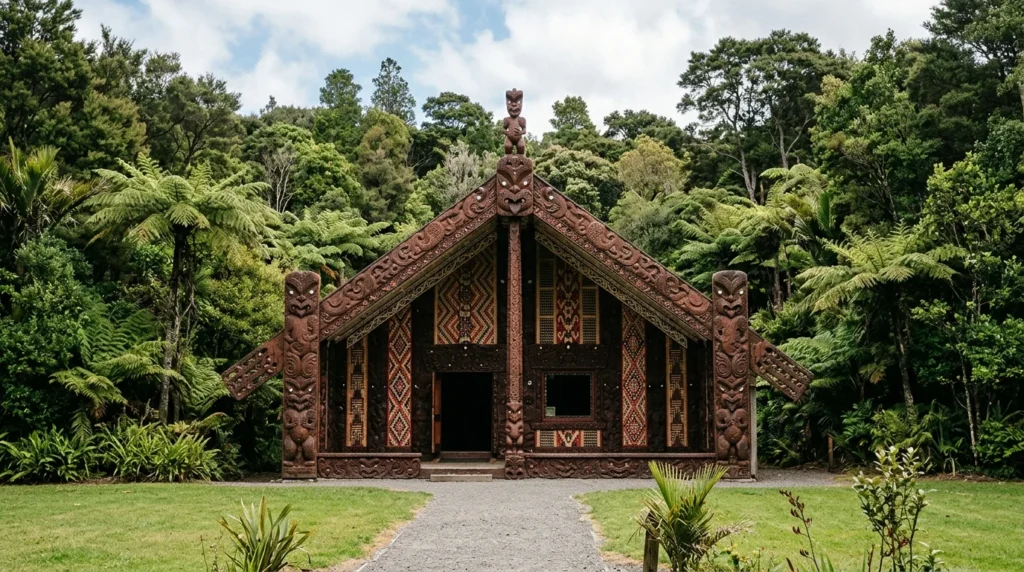
Many regions offer guided experiences at Māori heritage sites. At Waitangi, you can explore the Treaty House where the treaty was drafted and Te Whare Rūnanga, a carved meeting house built for the treaty’s centenary in 1940.
In Rotorua, villages like Tamaki Māori Village and experiences at Te Puia include performances, traditional food preparation and explanations of cultural practices. Guides share stories about local history and customs.
Always book cultural tours through established operators who work with local iwi.
Stewart Island
Stewart Island, or Rakiura, lies 30 kilometres south of the South Island across Foveaux Strait. About 85 per cent of the island forms Rakiura National Park. The only settlement is Oban at Halfmoon Bay.
Stewart Island is known for birdlife, including kiwi that can be spotted on beaches at dusk. Ulva Island, a predator-free sanctuary in Paterson Inlet, has walking tracks through native forest where you can see rare birds. Water taxis run from Oban to Ulva Island.
The Rakiura Track is a three-day Great Walk. Longer tramping tracks circle the island for experienced hikers. Book huts through the Department of Conservation.
Great Barrier Island
Great Barrier Island (Aotea) sits in the Hauraki Gulf, 90 kilometres from Auckland. The island has no reticulated electricity. Most of the island is conservation land managed by the Department of Conservation.
Walking tracks range from short forest walks to the Aotea Track, a multi-day hike across the island. Kaitoke and Whangapoua hot springs are natural thermal pools near the coast. The island is a designated International Dark Sky Sanctuary.
Ferries and small planes connect the island to Auckland. Book accommodation ahead, especially in summer.
Chatham Islands
The Chatham Islands (Rēkohu) lie 800 kilometres east of Christchurch. The islands have a distinct climate and unique flora and fauna, including the Chatham Island forget-me-not and black robin.
Moriori heritage sites include tree carvings (dendroglyphs) and historical landmarks. Fishing and walking are the main activities. Access is by scheduled air service from Auckland, Wellington or Christchurch.
Planning Your Visit
Ferry services connect the North and South Islands via the Cook Strait. Interislander and Bluebridge operate between Wellington and Picton. Book ahead during summer and school holidays.
Local ferries serve smaller islands. Waiheke Island has regular sailings from Auckland. Stewart Island ferries run from Bluff. Check schedules and weather conditions before travelling to remote islands.
Car hire is available in main centres. Some smaller islands have limited or no vehicle access. Many islands require walking to see key sites.
Weather varies significantly by region. The far north has a subtropical climate. Southern regions are cooler with more rainfall. Pack layers and waterproof clothing year-round. Check the Department of Conservation website for track conditions and closures.
Conservation and Responsible Travel
Many islands are protected conservation areas. Stay on marked tracks, carry out all rubbish and respect restrictions around wildlife and cultural sites. Some islands require permits or have visitor limits.
Biosecurity is critical on predator-free islands. Check your gear for seeds, insects and soil before boarding ferries to islands like Ulva Island. Follow all biosecurity instructions from operators and Department of Conservation staff.
Support operators who follow sustainable practices and work with local communities. Choose tours that limit group sizes and minimise environmental impact.
FAQ
How do I get between New Zealand’s islands?
Interislander and Bluebridge ferries run between Wellington and Picton daily. The crossing takes about three hours. Domestic flights connect main centres. Local ferries and water taxis serve offshore islands. Book ferry crossings and flights in advance during peak season from December to February.
When is the best time to visit New Zealand’s islands?
Summer (December to February) offers the warmest weather and longest days but is the busiest season. Autumn (March to May) has settled weather and fewer visitors. Winter (June to August) is quieter with lower prices but some tracks and activities close. Spring (September to November) sees changeable weather but good wildlife viewing.
Do I need permits for island visits?
Most islands are publicly accessible. Great Walks huts and some Department of Conservation campsites require advance booking and payment. Some islands, particularly those with significant conservation or cultural values, may have restricted access or require permits. Check the Department of Conservation website before planning your trip.
Sources

Independent New Zealand travel guides from 0 Digital, Aotearoa New Zealand. Details change, so check with the operator or the official source before you go. Spotted something out of date? Tell us.
 Beaches and islands
 Beaches and islands
 Beaches and islands
