
Cruising New Zealand takes you through sheltered harbours, dramatic fiords and coastal cities. Most cruise visitors call at Auckland, Wellington, Bay of Plenty (Tauranga), Hawke’s Bay (Napier), Canterbury (Lyttelton/Akaroa) and Otago (Port Chalmers), with scenic cruising through Fiordland. Understanding local customs, laws and practical etiquette makes shore visits smoother and more respectful.
Tipping in New Zealand
Tipping is not expected in New Zealand. Service wages are higher here and tipping is not expected in most situations. This applies to restaurants, taxis, tour guides and hotel staff ashore.
Cruise ships operate differently. Many cruise lines including Carnival, Celebrity, Costa, Cunard, Disney, Holland America, MSC Cruises, Norwegian, Oceania, P&O, Princess, Royal Caribbean, Viking and Windstar charge gratuities to your account automatically. If you feel this amount needs to be adjusted, arrangements can be made onboard the ship, generally at the end of your cruise.
Wages in both New Zealand and Australia are structured so that tips are not part of the pay, and hotels and restaurants in New Zealand do not add service charges to the bill. Cruise guides in Auckland will not be offended by a few dollars because they meet enough American passengers to understand the impulse, but they will also be completely fine if you hand over nothing.
Alcohol Laws
The legal age for drinking alcohol in New Zealand is 18. You need valid photo ID to purchase alcohol. You must be 18 years old or older to buy alcohol in New Zealand and you need to show proof of your age.
Many public spaces have alcohol bans enforced through local council bylaws. Parks, beaches, central city areas and public events often prohibit alcohol regardless of your age. Check local signage or ask before drinking in public spaces.
Most cruise lines have their own alcohol policies. Check with your cruise line about bringing alcohol onboard.
Shore Excursions
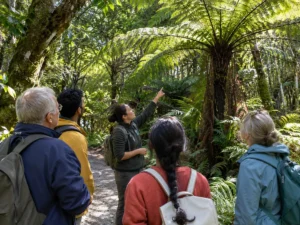
Book excursions through reputable operators. Many cruise lines offer their own shore excursions, which guarantee the ship will wait if your tour runs late. Independent tour operators often provide different experiences at different price points.
Be punctual. Ships operate on tight schedules and will not wait for late passengers who booked independent tours. Allow extra time for traffic and unexpected delays when returning to the ship.
Popular shore activities include wine tasting in Marlborough, wildlife watching in Dunedin, exploring Te Papa museum in Wellington, and scenic drives. Check our tours and sightseeing and activities and adventure directories.
Māori Culture and Marae Visits
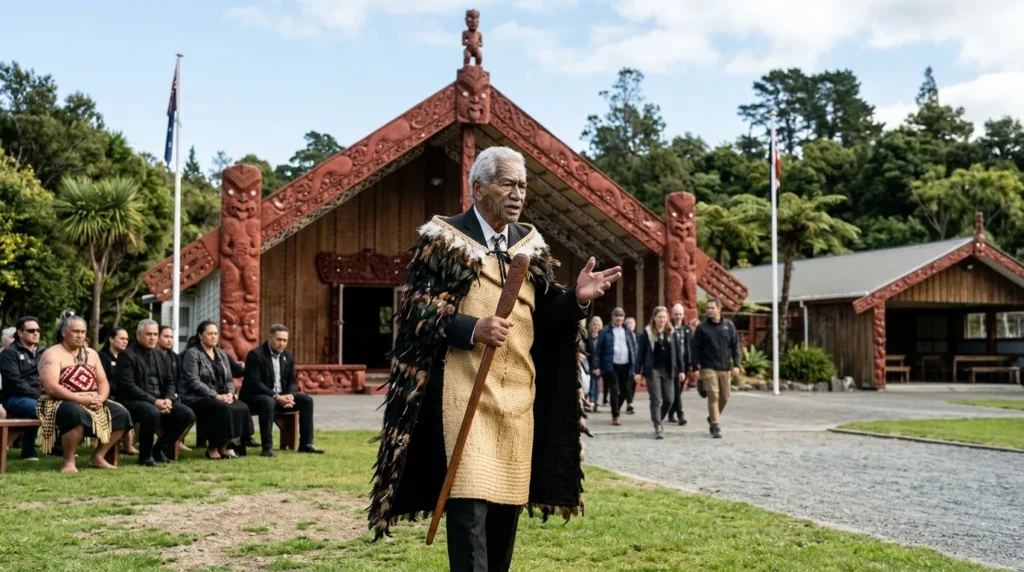
New Zealand has a rich Māori culture. Many shore excursions include visits to marae (Māori meeting grounds) or cultural performances. Showing respect for Māori customs enhances your experience.
Some marae do not allow photographs, filming or tape recording without permission. Photography requires explicit permission and you should always ask first and accept no graciously. This applies particularly to carvings, during ceremonies and inside meeting houses.
Remove your shoes before entering a wharenui (meeting house). Do not eat or drink inside the meeting house unless invited. During a pōwhiri (formal welcome), remain quiet, stay seated during speeches and follow the lead of your guide or host.
Learning basic Māori greetings shows respect. Kia ora means hello, thank you or acknowledgement. The hongi is a traditional greeting where two people press their noses and foreheads together while breathing in, but in tourism settings a handshake is also acceptable.
Environmental Responsibility
New Zealand places high value on environmental protection. Follow Leave No Trace principles when visiting natural areas. Stay on marked tracks, take all rubbish with you and never disturb wildlife.
When viewing wildlife, maintain a respectful distance. Do not feed animals or birds. Marine mammal protection laws prohibit swimming with or approaching dolphins, seals and whales beyond set distances.
Many cruise operators have sustainability initiatives. Minimise single-use plastics, use refillable water bottles and participate in any onboard recycling programmes. The Department of Conservation manages many of the natural areas you will visit. Respect closure signs and conservation work.
Safety and Health
Attend the mandatory safety drill when you board. Know where your assembly station is and how to use a life jacket. Follow crew instructions at all times, particularly during emergencies.
New Zealand has high-quality healthcare but medical services are not free for visitors. Ensure you have comprehensive travel insurance that covers medical emergencies and evacuation. If you need medical attention while in port, cruise ships can arrange doctor visits or hospital transfers.
The sun is strong in New Zealand due to low ozone levels. Wear sunscreen, a hat and sunglasses even on overcast days. Carry a light waterproof jacket as weather can change quickly, particularly in coastal areas and Fiordland.
Check our health and insurance guide for detailed information.
Time and Punctuality
For the 2026/27 cruise season ships will bring visitors into classic New Zealand cruise ports such as Auckland, Bay of Islands, Tauranga, Napier, Wellington, Picton, Christchurch/Lyttelton, Dunedin/Port Chalmers and Fiordland. Most of New Zealand observes New Zealand Standard Time, which is UTC+12. Daylight saving runs from the last Sunday in September to the first Sunday in April, when clocks move forward one hour.
New Zealanders value punctuality, particularly for tours, restaurant bookings and scheduled activities. Arrive on time and allow extra time when returning to your ship.
Communication and Language
English is widely spoken throughout New Zealand. Māori is also an official language and you will see bilingual signage, particularly for place names. Many place names use macrons (horizontal lines above vowels) which indicate a long vowel sound.
New Zealanders are generally direct and straightforward in conversation. They often use humour, including self-deprecating jokes and light teasing among friends. Mobile phone coverage is good in cities and towns but can be limited in remote coastal areas and Fiordland.
What to Pack
New Zealand weather can be changeable. Pack layers that you can add or remove. Summer temperatures range from 20°C to 30°C, while winter can drop to 10°C or lower in southern ports.
Bring comfortable walking shoes with good grip for shore excursions. Many attractions involve walking on uneven ground, beaches or bush tracks. A waterproof jacket is useful year-round.
Some cruise lines have formal dining nights. Check your cruise line’s dress code. Casual wear is appropriate for daytime activities ashore. When visiting marae or cultural sites, dress modestly with shoulders and knees covered.
See our guide to places to stay if you are extending your trip before or after your cruise.
FAQ
Do I need a visa to visit New Zealand on a cruise?
Visa requirements depend on your nationality and length of stay. Many visitors can enter visa-free for up to 90 days, but you need an NZeTA (New Zealand Electronic Travel Authority) before arrival. Check with Immigration New Zealand or your cruise line well before departure.
Can I use my mobile phone in New Zealand ports?
International roaming works in New Zealand but can be expensive. Check with your mobile provider about cruise or travel packages. Most ports have wifi available in cafes and visitor centres. Your cruise ship will also have onboard internet, though this is usually charged separately.
What currency is used in New Zealand?
New Zealand uses the New Zealand dollar (NZD). Most businesses accept credit and debit cards. ATMs are widely available in cities and towns. Small cash amounts are useful for markets or remote areas, but you rarely need to tip.
Sources
- Tourism New Zealand – Cruises to New Zealand
- Study with New Zealand – Alcohol laws and drinking responsibly
- Te Ara Encyclopedia – Te kawa o te marae
- Citizens Advice Bureau – What should I know before I visit a marae

Independent New Zealand travel guides from 0 Digital, Aotearoa New Zealand. Details change, so check with the operator or the official source before you go. Spotted something out of date? Tell us.
 Beaches and islands
 Beaches and islands
 Beaches and islands
