
New Zealand museums preserve and share the stories of Aotearoa, from the taonga of Māori culture to natural history, Antarctic exploration and military heritage. The country’s national museum, regional institutions and specialist collections offer free or low-cost access to exhibits that span a thousand years of history. You can explore interactive galleries, view Pacific Island treasures, learn about extinct species like the moa, and trace the experiences of New Zealanders in war and peace.
Te Papa Tongarewa in Wellington
Entry to Te Papa is free for New Zealand residents, while international visitors aged 16 and over pay an entry fee. The museum is open daily from 10am to 6pm except Christmas Day. Located on Wellington’s waterfront, Te Papa is New Zealand’s national museum.
The museum covers six levels with galleries exploring Māori and Pacific cultures, New Zealand’s natural environment, art and history. Permanent exhibitions include Māori taonga, the earthquake simulator, and Pacific collections. Some special exhibitions and guided tours require separate tickets.
You can reach the museum by walking along the waterfront from central Wellington. Allow two to four hours for your visit. The museum has cafes, a shop, and full accessibility facilities including wheelchairs available for loan.
Find more information about Wellington and its attractions.
Auckland War Memorial Museum
The Auckland War Memorial Museum is located in the Auckland Domain, Parnell, and opens 10am–5pm weekdays and 9am–5pm weekends, with late opening until 8:30pm every Tuesday. It closes on Christmas Day. Auckland residents get in free with proof of address, while New Zealand visitors enter on a koha (donation) basis and international visitors pay entry fees.
The museum houses extensive Māori and Pacific collections, military history galleries covering New Zealand’s involvement in conflicts from the 19th century onwards, and natural history displays. The building itself serves as Auckland’s war memorial.
Cultural performances showcasing Māori traditions run at set times and require a separate ticket in addition to general admission. The museum has accessible facilities, a cafe and shop. Free parking is available in the Auckland Domain for up to three hours.
Visit weekday mornings before 10:30am to avoid school groups. More details on Auckland and cultural attractions.
Canterbury Museum in Christchurch
The main Canterbury Museum building on Rolleston Avenue is closed for redevelopment. The Pop-Up Museum at 66 Gloucester Street is open with collection highlights and temporary exhibitions. Entry is free and donations are appreciated. The Pop-Up is open daily 9am to 5:30pm (October to March) and 9am to 5pm (April to September).
The main museum is scheduled to reopen in late 2028 or early 2029 following redevelopment. The museum’s collections include Antarctic exploration exhibits, Māori heritage displays, natural history specimens, and a Victorian Christchurch street recreation.
The Pop-Up Museum is in the city centre near the Botanic Gardens. A cafe operates on the ground floor Monday to Friday 7am to 3:30pm. Allow one to two hours for the Pop-Up experience.
Explore Canterbury and more cultural heritage sites.
Otago Museum in Dunedin
The Otago Museum is open 10am–5pm daily and general admission to the main museum galleries is free. The museum is at 419 Great King Street, Dunedin, opposite the University of Otago.
The museum features Māori and Pacific Island artefacts, natural history galleries including extinct bird displays, and the Tūhura science centre with hands-on exhibits. The Tropical Forest butterfly house and planetarium shows have separate admission charges.
Discovery World has interactive exhibits suitable for children. The museum cafe and shop open from 9am to 5pm. You can walk to the museum from the Octagon in about 15 minutes, or take buses 14, 37 or 63.
Plan for two to three hours to see the main galleries. More on Otago and visitor attractions.
What to See at New Zealand Museums
Māori and Pacific Collections
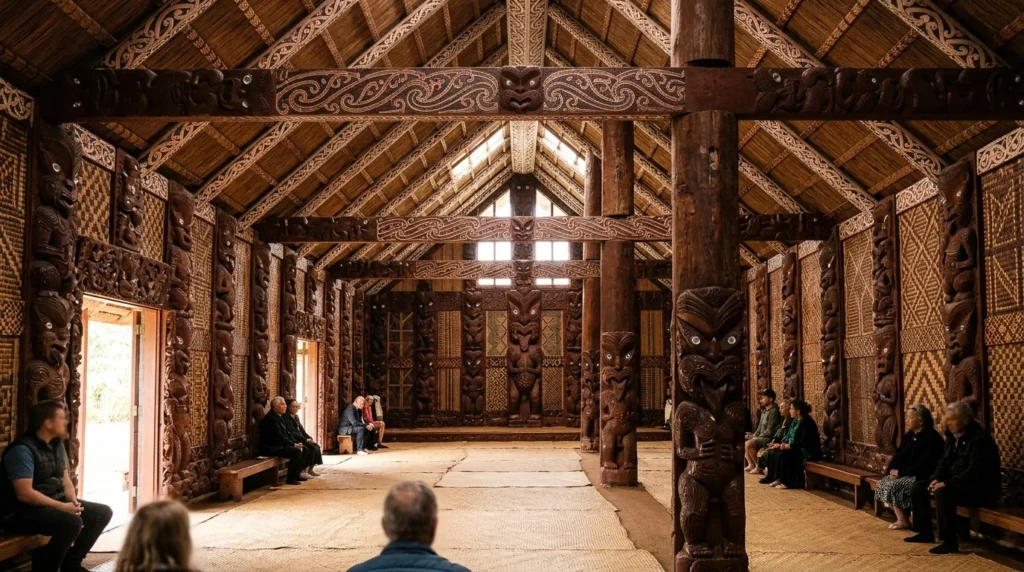
Museums across New Zealand hold significant Māori taonga including carvings, weaving, traditional tools and meeting houses. Te Papa and Auckland Museum have particularly extensive collections. Pacific Island cultures are represented through artefacts, textiles and contemporary art that showcase the region’s diverse heritage.
Natural History Displays
New Zealand’s unique wildlife and geology feature in museum collections nationwide. You can see moa skeletons, specimens of extinct species like the laughing owl, marine life including blue whale skeletons, and geological displays explaining the country’s volcanic and seismic activity.
Military and War Memorials
Several museums preserve New Zealand’s military history, particularly the Auckland War Memorial Museum and the National Army Museum at Waiouru. Exhibitions cover the New Zealand Wars of the 19th century, World Wars, and more recent conflicts. ANZAC Day often features free entry and special commemorations.
Antarctic Heritage
Canterbury Museum holds significant Antarctic exploration collections linked to early expeditions. The International Antarctic Centre in Christchurch offers a separate experience focused on contemporary Antarctic research and conditions.
Regional and Specialist Museums
Regional museums provide local perspectives on New Zealand history and culture. The Waikato Museum in Hamilton focuses on the Waikato region’s Māori heritage and European settlement. Tairawhiti Museum in Gisborne explores East Coast history. Nelson Provincial Museum highlights Nelson’s local culture and early settlement stories.
Specialist museums include the Air Force Museum of New Zealand in Christchurch, which showcases military aviation history with aircraft displays and flight simulators. The New Zealand Police Museum in Wellington covers law enforcement history through interactive exhibits.
Many regional museums operate with free entry or by donation. Check individual museum websites for current opening hours and any temporary closures.
Planning Your Museum Visit
Most major museums open between 9am and 10am daily and close at 5pm or 6pm. Tuesday evenings often feature extended hours at Auckland Museum. Christmas Day is the main closure day across most institutions.
Weekday mornings offer quieter visiting conditions. School groups tend to arrive late morning and occupy galleries until early afternoon. If you want to explore popular sections without crowds, arrive at opening or after 2pm.
Many museums provide free general admission, though some charge international visitors or have fees for special exhibitions, planetarium shows, or interactive science centres. Guided tours often require booking and carry separate charges.
Accessible facilities are standard at major museums, with wheelchairs available, ramps, elevators and accessible restrooms. Check museum websites for specific accessibility information and to confirm current hours before visiting.
Allow two to four hours for major museums like Te Papa or Auckland Museum. Smaller regional museums typically need one to two hours. Combine your museum visit with nearby attractions like botanic gardens, waterfront walks or city galleries.
Find accommodation and guided tours to support your museum visits.
Frequently Asked Questions
Are New Zealand museums free?
Many New Zealand museums offer free general admission, including Canterbury Museum and Otago Museum. Te Papa is free for New Zealand residents but charges international visitors aged 16 and over. Auckland Museum is free for Auckland residents with proof of address and operates on a donation basis for other New Zealand visitors, while international visitors pay admission fees. Special exhibitions, planetarium shows and some interactive areas may have separate charges.
Can you take photographs in museums?
Photography policies vary between museums and specific exhibitions. Some museums allow photography without flash in most areas, while others restrict it in certain galleries, particularly those containing taonga Māori or culturally sensitive items. Always check for signage or ask museum staff before taking photos.
What facilities do museums provide for families?
Major museums offer family-friendly facilities including children’s discovery areas with hands-on exhibits, baby change rooms, family restrooms, and cafes. Many run school holiday programmes with workshops and activities. Free general admission at several museums makes them affordable family destinations. Interactive exhibits and multimedia displays engage children across age groups.
Sources

Independent New Zealand travel guides from 0 Digital, Aotearoa New Zealand. Details change, so check with the operator or the official source before you go. Spotted something out of date? Tell us.
 Culture and heritage
 Culture and heritage
