
New Zealand receives cruise ships between October and April each year. The country offers diverse ports from urban centres like Auckland and Wellington to tender ports in the Bay of Islands, plus scenic cruising through Milford Sound. Planning what to bring, understanding visa requirements and choosing the right time to travel will help you make the most of your voyage.
When to Cruise
The cruise season runs from October through April, with most sailings concentrated in December, January and February. January through March brings the warmest weather, long daylight hours and prime conditions for scenic cruising in the South Island’s fjords.
Spring and autumn offer quieter ports and potential savings, with October and November sailings often providing lower fares, incredible scenery and mild weather with fewer tourists. Summer remains the peak season when most activities and excursions are available.
Winter cruises from June to August are rare, though some lines do operate during these months for passengers interested in snow sports.
Cruise Ports
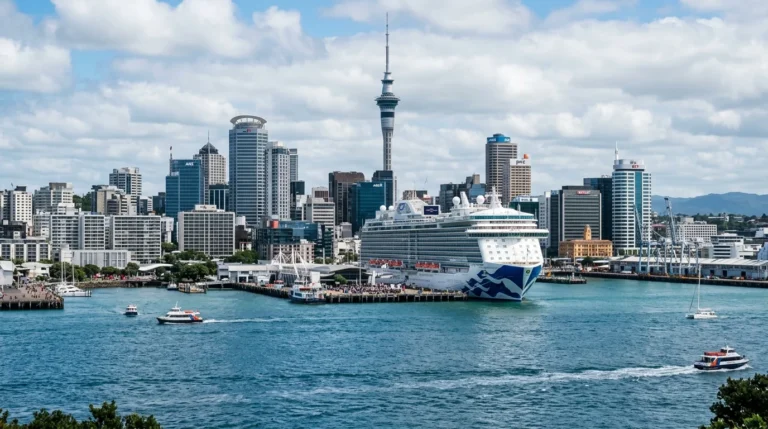
Auckland and Wellington are highly walkable, with many attractions within a short distance of the cruise terminal. Auckland remains one of New Zealand’s principal cruise gateways.
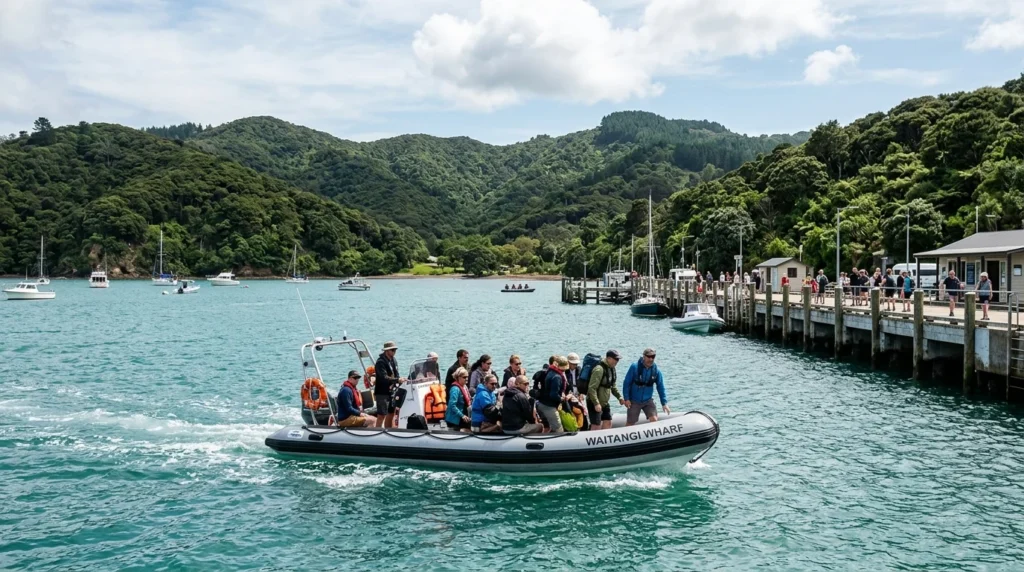
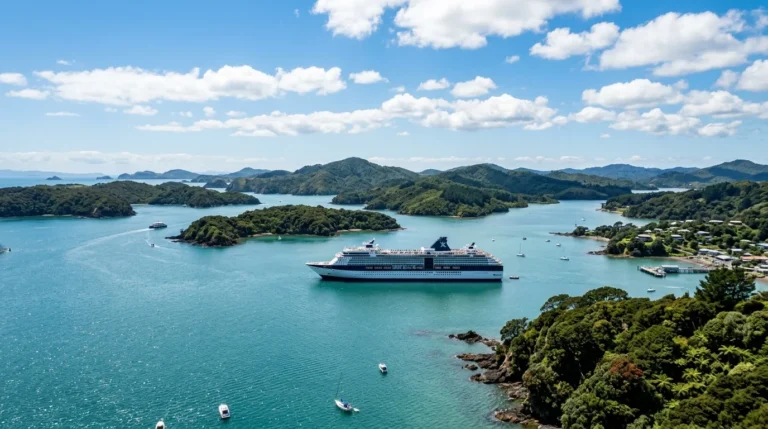
Bay of Islands is a tender port where ships anchor offshore and small boats ferry guests to Waitangi Wharf near Paihia. Passengers can explore the Waitangi Treaty Grounds, cruise through the iconic Hole in the Rock, encounter dolphins or visit Russell, New Zealand’s first capital.
Cruise ships to Dunedin dock at Port Chalmers, approximately 20 to 30 minutes by road from central Dunedin. Shuttle buses or organised excursions transport passengers between the port and the city, as well as to attractions on the Otago Peninsula.
Other common ports include Tauranga (gateway to Rotorua), Napier, Picton and occasionally Timaru or Christchurch via Lyttelton.
Milford Sound doesn’t have a standard port where ships dock – your cruise vessel will travel through the impressive fiord itself, giving you views of the stunning scenery from the water. Ships may also cruise Doubtful Sound and other Fiordland waterways.

Visa and Documentation
Cruise ship passengers arriving in New Zealand need an NZeTA (New Zealand Electronic Travel Authority) unless you already have a valid New Zealand visa. When arriving by cruise ship you are considered to hold a visitor visa.
For cruise passengers, this is generally a 28-day visa from the time the ship arrives at a New Zealand port. Australian citizens do not need an NZeTA or visa.
You must apply for your NZeTA before your cruise departs. Your passport should be valid for at least three months beyond your departure date from New Zealand.
Travel insurance that covers medical emergencies, trip cancellations and lost belongings is recommended. Most cruise ships have medical facilities onboard, but they may be limited.
What to Pack
New Zealand’s weather can change quickly, particularly in coastal and mountain areas. Pack layers regardless of the season.
Summer (December to February): Bring light, breathable clothing, t-shirts, shorts, comfortable walking shoes, a swimsuit, sunscreen, a hat and a light waterproof jacket.
Spring and autumn (October to November, March to April): Layering is essential as temperatures fluctuate. Pack long-sleeved shirts, lightweight jackets, closed-toe shoes for walking and a waterproof jacket. Spring can bring showers.
For activities: Good walking shoes are essential for shore excursions. Bring a small daypack, reusable water bottle and camera. Some tours provide equipment for water activities, but check before you depart.
Most cruise lines provide basic toiletries, but bring any prescription medications, over-the-counter remedies, sunscreen and personal hygiene items you prefer.
Onboard Experience
Modern cruise ships operating in New Zealand waters offer a range of cabin types from interior rooms to suites with balconies. Most ships provide Wi-Fi, though connectivity varies by location.
Dining options typically include main dining rooms with multi-course meals, specialty restaurants requiring reservations, and casual buffet dining throughout the day. Some cruise lines incorporate New Zealand-inspired dishes into their menus.
Onboard entertainment includes theatre productions, live music, workshops, fitness centres and spas. Many ships have pools, hot tubs and outdoor deck space for relaxing between ports.
Participate in safety drills conducted by the cruise line. These provide essential information on evacuation routes and emergency procedures.
Shore Excursions
Shore excursions vary by port and interest. Common options include cultural tours to Māori sites, adventure activities like zip-lining or hiking, wildlife encounters with penguins or dolphins, scenic cruises and city tours.
Popular excursions can fill quickly during peak season. Review the options available from your cruise line before departure and book early if you have specific interests. Read reviews from other travellers to gauge quality.
Many ports are suitable for independent exploration. Public transport, walking tours and bike rentals are available in larger cities. Ensure you return to the ship well before departure time.
Follow safety instructions from tour guides, stay hydrated, bring appropriate clothing for weather conditions and be mindful of local wildlife and terrain.
Māori Culture and Etiquette
Māori culture is an integral part of New Zealand’s identity. Many shore excursions include visits to cultural sites or performances featuring traditional singing and dancing known as kapa haka.
When interacting with locals, a simple handshake is appropriate. Always ask permission before photographing people, especially during cultural ceremonies. If invited to join a cultural activity, participate respectfully and follow the lead of your hosts.
Learning a few basic phrases in te reo Māori shows respect: kia ora (hello/thank you), haere mai (welcome) and ngā mihi (regards).
Practical Tips
New Zealand uses the New Zealand dollar (NZD). Most ports have ATMs and accept credit cards, though smaller towns may have limited facilities.
If you experience seasickness, consider over-the-counter medications and consult your doctor before your trip. Stay hydrated, eat light meals and find a spot near the centre of the ship or on deck with fresh air.
Mobile phone coverage is good in urban areas but limited in remote regions. Check with your cruise line about Wi-Fi services and international roaming charges.
In emergencies, dial 111 for fire, police or medical assistance in New Zealand.
Weather in Fiordland can affect access to Milford Sound and other sounds. Ships may alter itineraries if conditions are unsuitable.
FAQ
What is the best month to cruise New Zealand?
January through March offers the warmest weather and longest daylight hours. October, November and April provide good weather with fewer crowds and often lower fares.
Do I need a visa to cruise in New Zealand?
Most cruise passengers need an NZeTA (New Zealand Electronic Travel Authority) unless you already hold a valid visa. Australian citizens are exempt. Apply before your cruise departs.
Can I explore ports independently?
Yes. Auckland and Wellington are easily walkable from the cruise terminals. Bay of Islands requires a tender but is straightforward to explore once ashore. Port Chalmers (for Dunedin) requires transport to the city. Tauranga needs planning if you want to visit Rotorua.
Sources
- New Zealand Electronic Travel Authority (NZeTA) – Immigration New Zealand
- Before you travel to New Zealand – Immigration New Zealand
- Things to Do in New Zealand on a Cruise – Carnival

Independent New Zealand travel guides from 0 Digital, Aotearoa New Zealand. Details change, so check with the operator or the official source before you go. Spotted something out of date? Tell us.
 Beaches and islands
 Beaches and islands
 Beaches and islands
